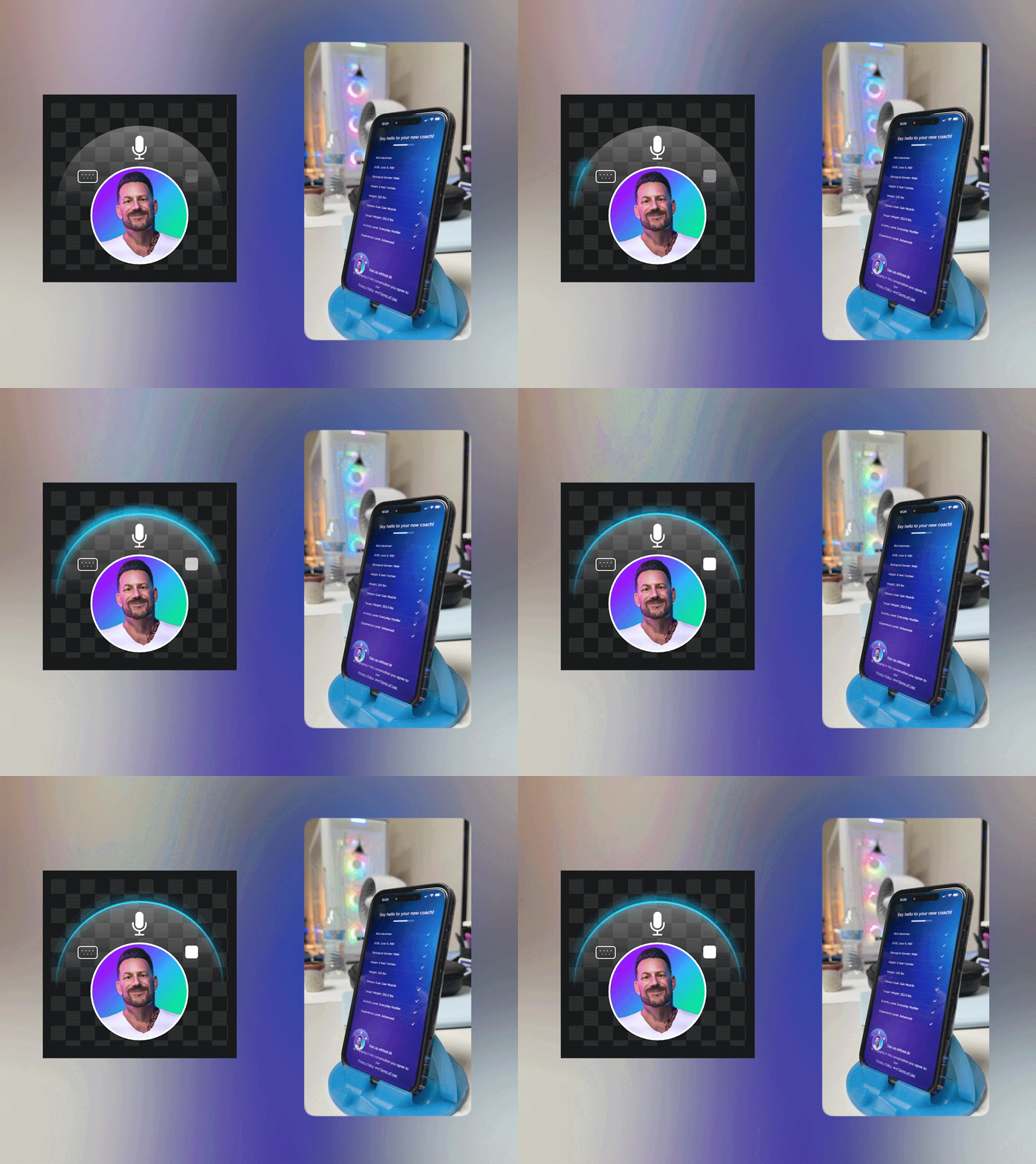
LunaFit — Adaptive AI Coach
OUTCOME
Turned a menu-heavy fitness app into a voice-first AI coach that adapts in real time — cutting cognitive load and turning one-off sessions into daily habits.
FEATURES
Voice-first AI coaching, Adaptive logging, Habit-forming progression loops, State-driven micro-interactions
Problem
Traditional fitness apps rely on static menus and manual logging, creating friction during workouts and making it difficult for users to know what to do next. This led to low activation, inconsistent usage, and a lack of personalized guidance or emotional support.
Solution
I designed a conversational AI Coach that replaces rigid navigation with real-time, context-aware guidance. Instead of navigating menus, users interact with the coach to log actions, ask questions, and receive adaptive support, reducing cognitive load and creating a more intuitive, guided experience.
Product
The LunaFit AI Coach is a persistent, in-app assistant that functions as the primary interface layer, guiding users across onboarding, workouts, and progress tracking through conversational and voice-driven interactions.
Key Features
- Conversational onboarding that adapts questions based on user input
- Voice-first interaction for logging and guidance
- Context-aware responses that surface relevant actions in real time
- A floating assistant that remains accessible across the app
- A motion-driven, state-based system in Rive that enables the coach to feel responsive, human, and continuously present.
Experience redesigned to drive behaviour
From form fatigue to guided momentum
Replaced a long, static onboarding flow with a conversational, coach-led experience that adapts in real time.
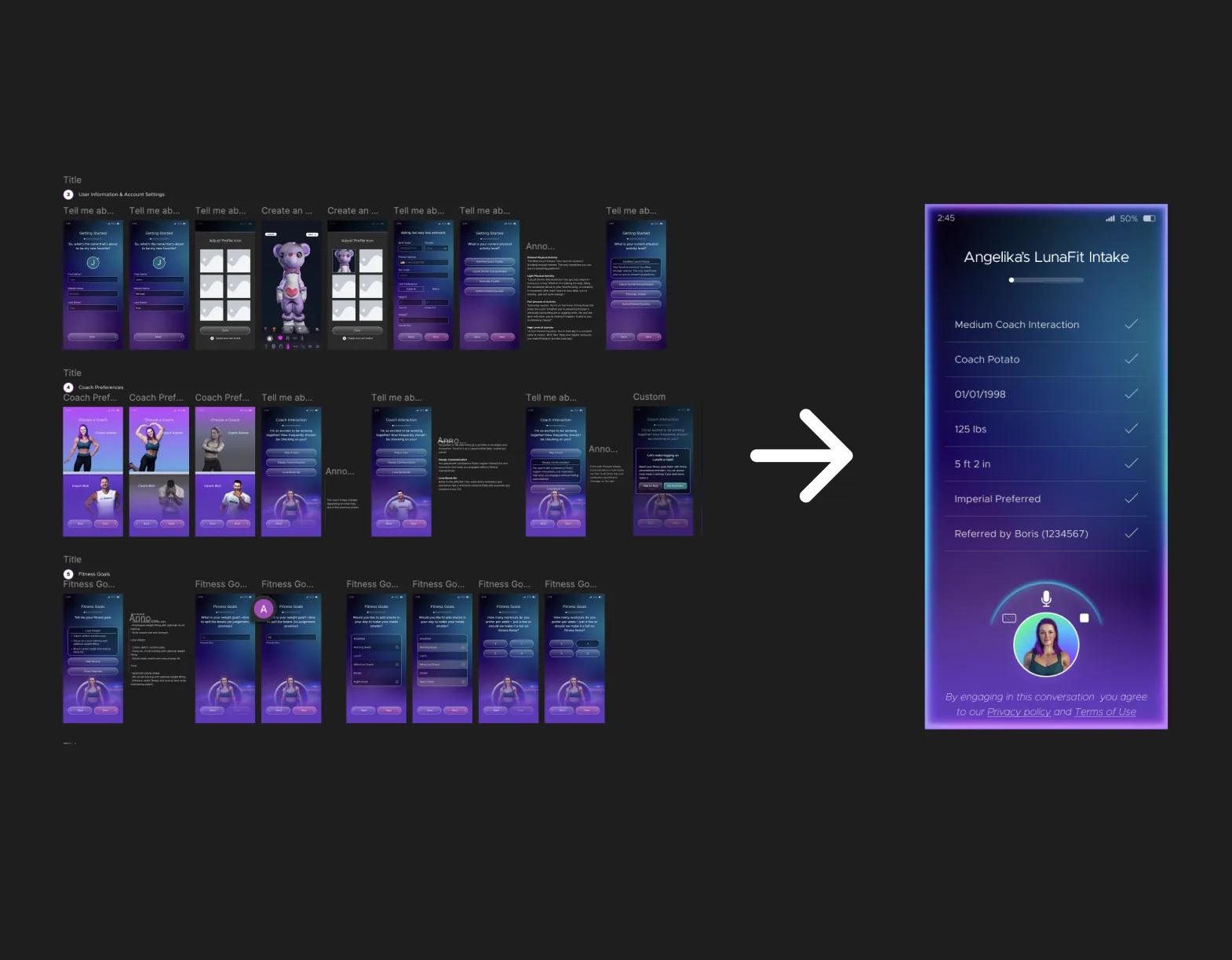
- Reduced a 17-step form into dynamic, step-by-step guidance
- Asked only what's needed, when it's needed
- Shifted onboarding from setup to first moment of value
- Users begin interacting immediately instead of filling forms
Designed for in-the-moment use
Optimised core workout flows for real usage during a workout, not just static UI clarity.
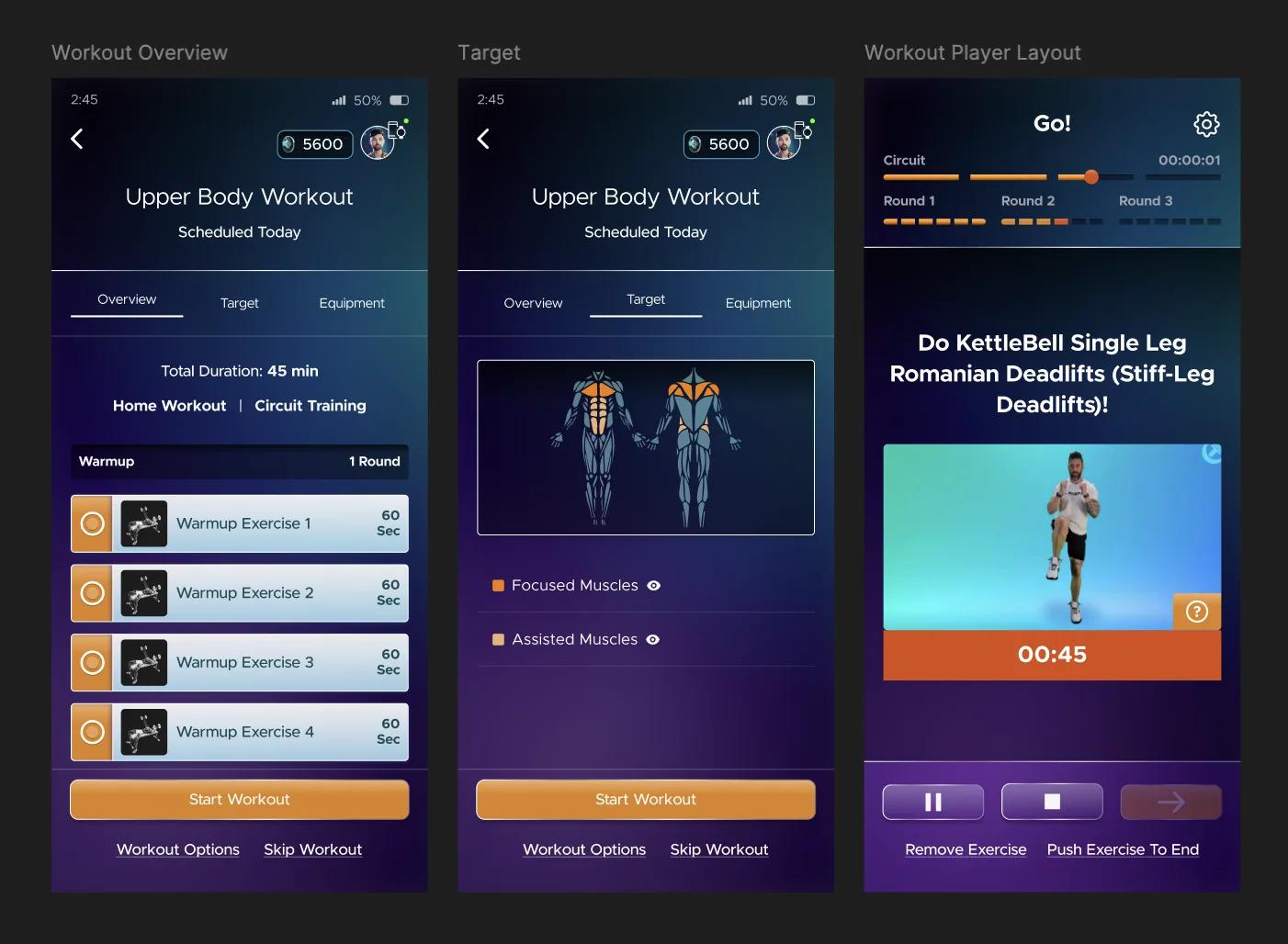
- Prioritised the current lift over history in weight logging
- Reduced taps and cognitive load during sets
- Surfaced progress in real time
- Validated through usability testing with strong user preference
From feature to constant presence
Transformed the coach into a persistent, state-driven system rather than a secondary feature.
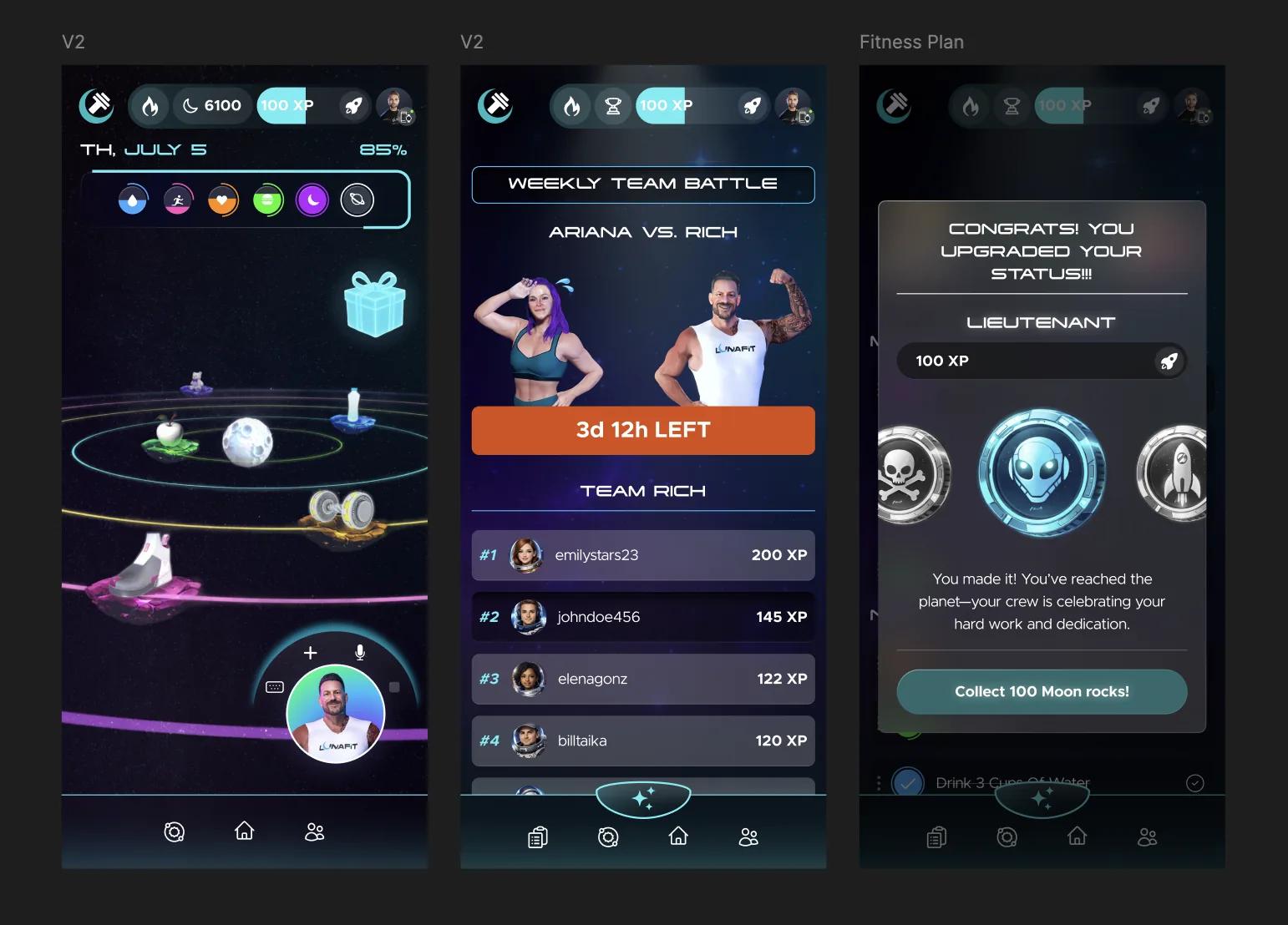
- An always-visible coach replaces deep navigation
- Voice and text inputs unified into one interaction model
- State-driven responses (idle, talking, listening)
- The system feels responsive and alive instead of scripted
Making progress feel visible
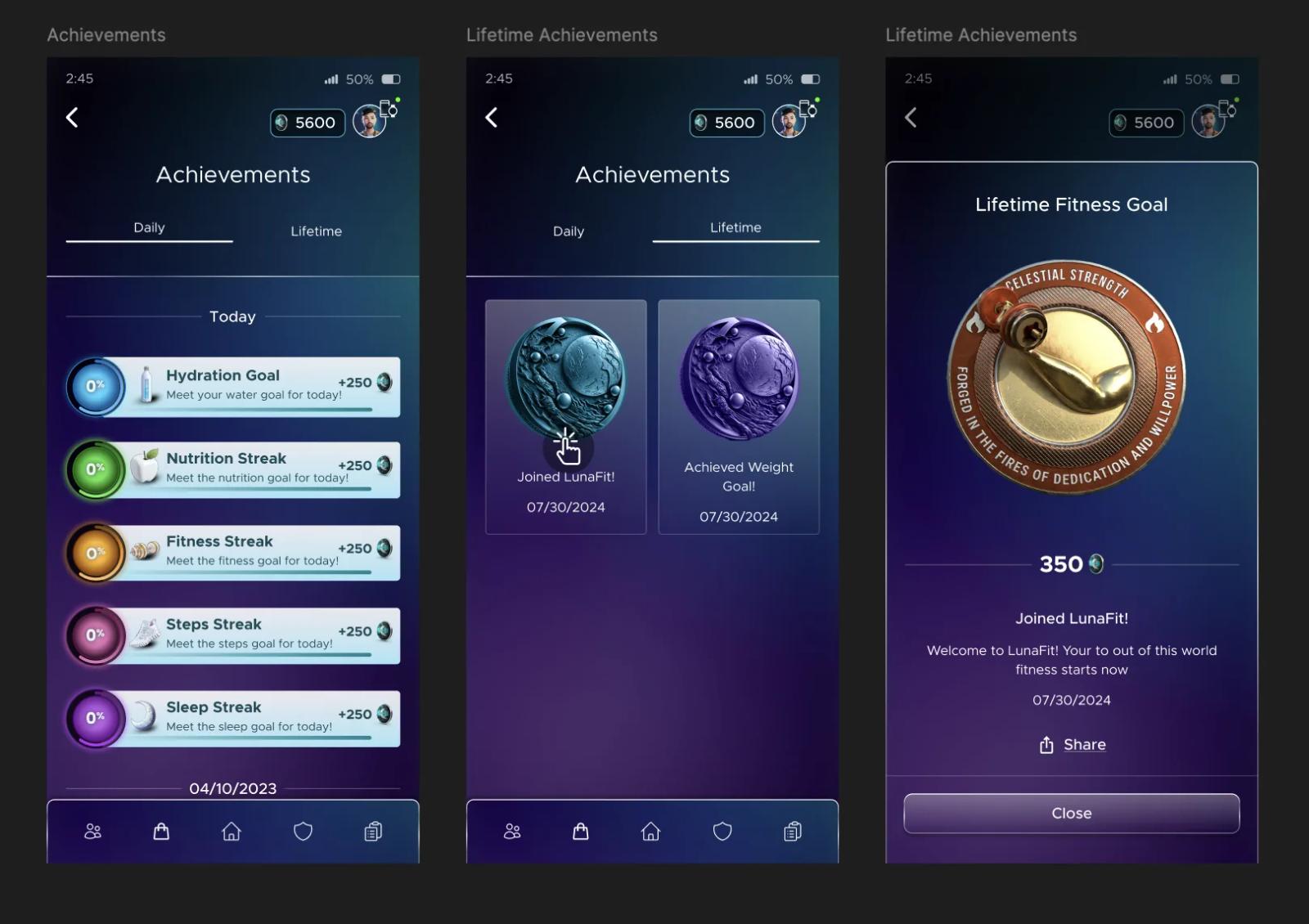
Addressed early drop-off by designing for motivation and progression.
- Introduced streaks, levels and phases
- Reframed workouts from repetition to progression
- Reinforced consistency through small wins
- Designed specifically to improve early retention
Experience to behaviour change
Together these shifted the product from a tool into a system users consistently return to.
- Increased onboarding clarity and completion
- Reduced friction during workouts
- Stronger feedback loops for motivation
- Improved retention signals and engagement